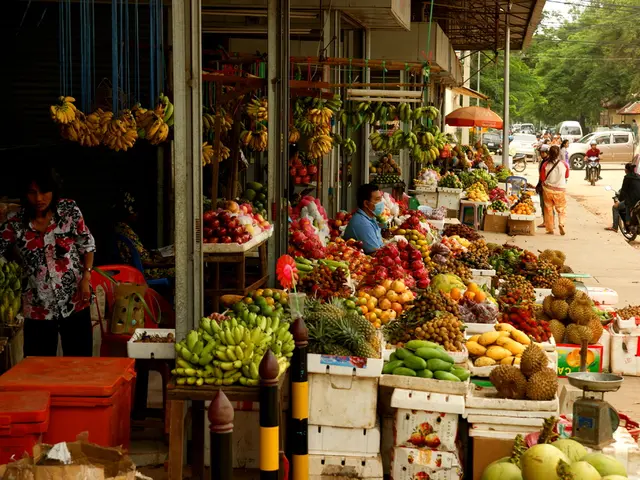

Thailand prioritizes tourism growth in 2026, emphasizing sustainable development and catering to high-end travelers.
Thailand is set to redefine its tourism industry with the implementation of the "Value is the New Volume" plan in 2026. This strategic shift prioritizes quality and value of travel experiences over the sheer number of visitors, aiming to transform Thailand’s tourism from mass tourism to a more sustainable, experience-focused model [1][2][4].
Emphasis on Sustainable, Experience-Value Travel
The strategy focuses on authentic, meaningful, and culturally resonant experiences, highlighting wellness, heritage, adventure, and creative tourism sectors rather than volume-driven tourism [1][2][4]. Thailand's cultural centers such as Sukhothai and Phetchaburi, participating in UNESCO's Creative Cities Network, are at the forefront of this change, offering arts and culture tourism experiences [5].
Four Strategic Pillars
The plan is based on four strategic pillars:
- Value over Volume: Data-driven marketing will be used to target diverse traveler segments and amplify Thailand’s soft power and storytelling.
- Balanced Tourism: Decentralization by promoting underexplored regions and spreading tourism across seasons to reduce overtourism and foster regional economies.
- Creative and Thematic Tourism: Curating niche experiences tailored to specific interests, including sport, wellness, cultural immersion, and UNESCO Creative Cities.
- Sustainability: Implementing environmental and social standards across the tourism sector, promoting low-impact, regenerative tourism aligned with UN Sustainable Development Goals [1][3][4].
Investment and Initiatives
The Thai government has allocated 4.5 billion Baht supporting 22 initiatives encompassing new customer segments (such as Millennials and Gen Z), new products, partnerships, marketing, and key performance indicators focusing on long-term quality and resilience [1][2][5].
Partnerships and Sustainability Goals
The strategy involves promoting UNESCO Creative Cities and investing in 10 designated Green Cities to foster responsible travel and sustainable urban development [3]. Thailand has also banned plastic waste imports amid toxic pollution concerns, demonstrating a commitment to sustainability.
Target Markets
The focus will be on high-potential international markets (like China, USA) and domestic travelers seeking unique, culturally immersive, and environmentally responsible travel options [2].
Unique Experiences and Collaborations
Every part of Thailand offers unique experiences. From luxury stays and large music festivals to soft adventure, foodie tourism, community-based seasonal events, strong cultural traditions, cultural heritage, wellness retreats, and nature-based experiences, there's something for every traveler [6]. Local businesses, community networks, and international stakeholders are collaborating to build a resilient tourism ecosystem.
Measuring Success
Success will be measured by sustainability, traveler satisfaction, and local economic benefits. The Safe Travel Stamp certifies businesses for high safety and service standards, ensuring traveler confidence.
Upcoming Events
Major events planned for 2026 include the Maha Loy Krathong festival in Sukhothai, the Amazing Thailand Countdown, the Maha Songkran World Water Festival, the Amazing Thailand Marathon, and the 33rd SEA Games, all designed to boost tourism [5]. Additionally, Tomorrowland Thailand 2026 is a new global electronic music festival scheduled for 2026.
New Travel Routes
New travel routes, including Mekong cruises and themed train journeys, are being launched to make travel more seamless and experiential [6].
In summary, the "Value is the New Volume" plan reframes Thailand's tourism from maximizing visitor numbers to creating trustworthy, safe, culturally authentic, and environmentally sustainable travel experiences that deliver lasting value to both visitors and host communities [1][2][3][4][5].
- The "Value is the New Volume" plan in Thailand prioritizes sustainable, experience-focused tourism, shifting away from mass tourism [1].
- The plan includes a focus on creative and thematic tourism, curating niche experiences aligned with UNESCO Creative Cities and other interests, such as sport, wellness, cultural immersion, and UNESCO Creative Cities [4].
- Sustainability is one of the strategic pillars of the plan, with a focus on implementing environmental and social standards across the tourism sector, promoting low-impact, regenerative tourism [4].
- To measure success, the plan focuses on sustainability, traveler satisfaction, and local economic benefits, with the Safe Travel Stamp certifying businesses for high safety and service standards [7].