Progress in Permanent Agriculture: Advanced Methods and Approaches
In a world where the population is expected to reach 9.7 billion by 2050, the need for sustainable farming practices has never been more pressing. Enter permaculture, an innovative approach to agriculture that not only promises to feed the growing population but also nurtures our planet.
Permaculture, based on the principles of working with, rather than against, nature, aims to build strong, thriving communities that live in balance with their surroundings. By embracing native species, guilds, and companion planting, we can create ecosystems that are stronger, more resilient, and better suited to local climates.
Native species offer numerous benefits, from requiring less care to helping local wildlife and pollinators. By choosing plants that fit well with our local ecosystems, we can create a harmonious environment that benefits everyone.
One of the key advantages of permaculture is its ability to cut down on farming costs, pollution, and support local food systems. Sustainable farming methods, such as those used in permaculture, are turning cityscapes into green, productive areas. Urban areas are now becoming hubs of sustainable farming, with community gardens, rooftop farms, and urban agriculture projects springing up across the globe.
Permaculture design values local ecosystems and their balance. By understanding microclimates and designing landscapes that do many things, we can increase biodiversity and create spaces that are both beautiful and productive.
New technology is also playing a significant role in the advancement of permaculture. Precision agriculture tools, AI-driven data analytics, IoT sensors, robotics, and sustainable farming techniques are optimizing resource use while enhancing ecological balance. These technologies increase efficiency, support regenerative practices, and maintain the holistic principles central to permaculture.
For example, precision agriculture and data analytics gather real-time data on soil moisture, nutrient content, plant health, and microclimate conditions, enabling precise resource management. AI and machine learning analyze these large datasets to predict crop health, optimize planting, and detect pest threats early, thereby reducing chemical inputs and waste.
Autonomous machinery and robotics are also making a significant impact. Robotic seeders, weeders, and harvesters perform tasks with high accuracy, reducing labor and minimizing soil disruption. Drones equipped with multispectral and thermal imaging monitor large plots for plant stress and pest issues without intrusive inspections.
The integration of regenerative agriculture practices, such as no-till farming, cover cropping, and polyculture, is also being supported by technology. AI-guided systems help implement these sustainably while maximizing carbon sequestration and biodiversity, fundamental to permaculture ethics.
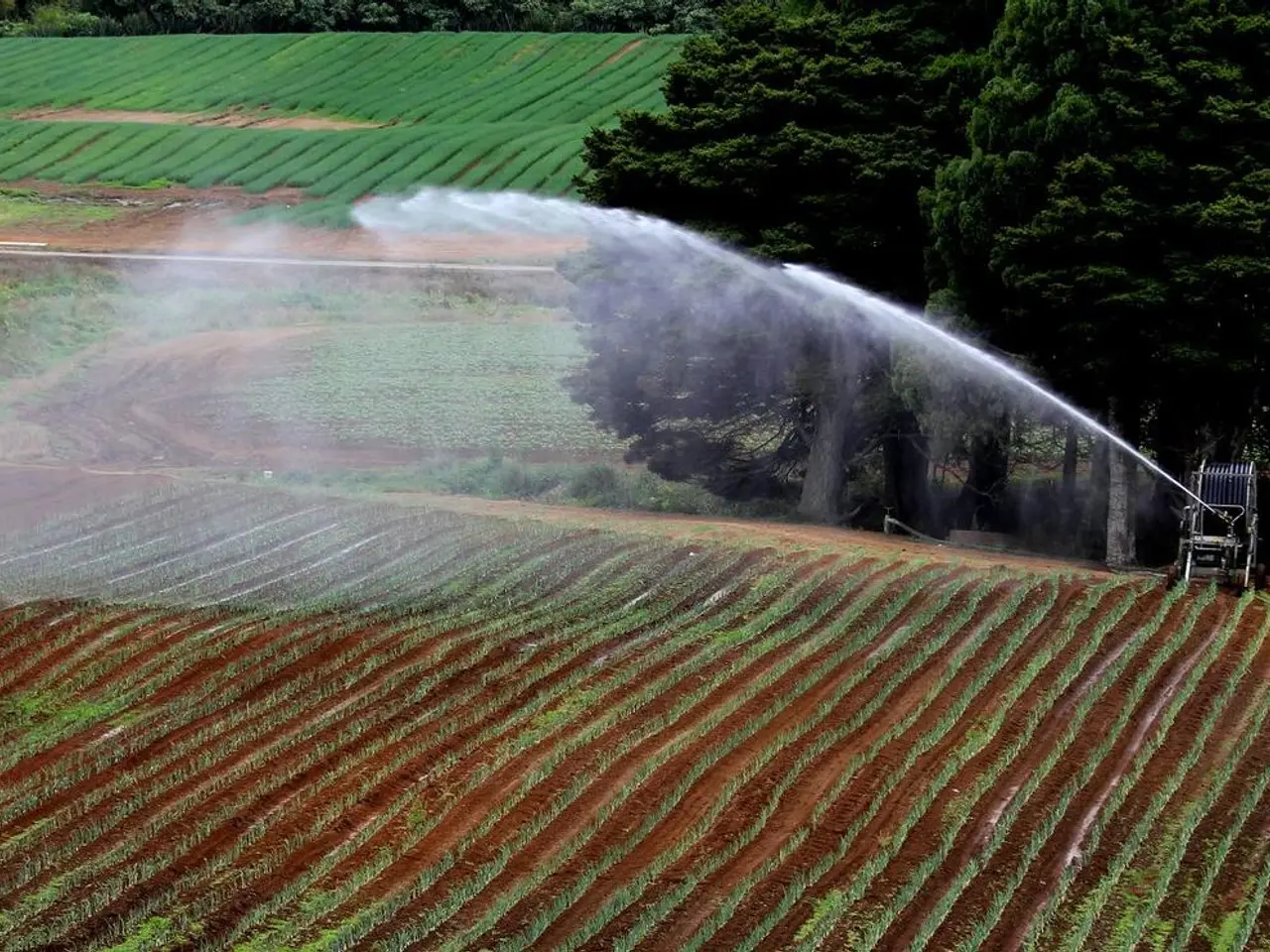
Emerging use of blockchain improves traceability and certification in organic and permaculture farming, boosting consumer trust in sustainably produced goods. IoT-enabled irrigation systems automate water delivery based on real-time soil and weather data, conserving water and enhancing resilience in permaculture systems designed to work with natural water cycles.
In sum, technology in permaculture farming today integrates advanced digital tools and machine intelligence with time-tested ecological practices, helping farmers maintain soil health, biodiversity, and productivity within sustainable, closed-loop systems. This synergistic approach is growing with global interest in combating climate change and food insecurity through resilient agroecosystems.
So, what can we do to help make a better future? Start small by creating a garden, supporting local food, or applying permaculture principles in your own space. Every action counts, and together we can create a more sustainable world.
- Adopting permaculture can build thriving communities that live in harmony with their surroundings.
- Guilds and companion planting in permaculture create stronger, more resilient ecosystems.
- Native species chosen for local environments offer benefits like reduced care and aid to wildlife.
- Permaculture reduces farming costs, pollution, and supports local food systems.
- Urban areas are becoming hubs of sustainable farming through community gardens, rooftop farms, and urban agriculture projects.
- Permaculture design values local ecosystems and their balance.
- Understanding microclimates helps design landscapes that increase biodiversity.
- New technology is playing a significant role in the advancement of permaculture.
- Precision agriculture tools gather real-time data, enabling precise resource management.
- AI and machine learning analyze large datasets to optimize crop health and predict early pest threats.
- Autonomous machinery and robotics perform precise tasks, reducing labor and minimizing soil disruption.
- Drones equipped with multispectral and thermal imaging monitor plots for plant stress and pest issues.
- AI-guided systems help implement regenerative practices, such as no-till farming and cover cropping.
- Blockchain improves traceability and certification in organic and permaculture farming.
- IoT-enabled irrigation systems conserve water and enhance resilience in permaculture systems.
- Technology in permaculture farming integrates advanced digital tools and machine intelligence with ecological practices.
- Technology helps maintain soil health, biodiversity, and productivity within closed-loop permaculture systems.
- The use of no-till farming, cover cropping, and polyculture are being optimized with technology.
- Sustainable farming techniques are turning cityscapes green and productive.
- Urban agriculture projects are spreading across the globe, thanks to permaculture.
- Artificial intelligence and machine learning are instrumental in the prediction and management of crop health.
- The integration of blockchain increases consumer trust in sustainably produced goods.
- Smart irrigation systems deliver water based on real-time soil and weather data.
- Technology streamlines resource management and supports regenerative practices.
- Permaculture farming focuses on working with, rather than against, nature.
- A synergistic approach including technology and traditional ecological practices is growing in popularity.
- The global interest in combating climate change and food insecurity is driving the growth of resilient agroecosystems.
- Every action, no matter how small, helps create a more sustainable world.
- By applying permaculture principles, we can make positive changes in our individual spaces and communities.
- Together, we can create a more sustainable future through gardening, supporting local food, and making conscious lifestyle choices.