Polio Resurgence: Explanation of Its Recent Resurgence
In the ongoing battle against polio, Afghanistan and Pakistan continue to pose significant challenges due to factors such as conflict and insecurity, logistical challenges in vaccine distribution, and the emergence of vaccine-derived polioviruses (VDPVs).
The East Region of Afghanistan has seen a decline in WPV1 (wild poliovirus type 1) transmission in early 2025, suggesting some success in immunity buildup. However, lingering insecurity and operational difficulties slow the progress towards full eradication [1]. Pakistan, on the other hand, continues to report WPV1 cases, reflecting persistent transmission challenges related to access and campaign quality [4].
The complexities of the situation are further compounded by the porous borders between the two countries, necessitating synchronized, cross-border vaccination efforts. These issues impact eradication efforts by limiting access to some populations, disrupting routine immunization services, facilitating cross-border poliovirus spread, and compounding challenges with concurrent health emergencies and outbreaks [1].
Vaccine-derived poliovirus outbreaks have emerged globally, highlighting the need for continued innovation and tailored interventions to maintain high-quality vaccination and surveillance [1][2]. In 2022, at least 98 vaccine-derived cases of polio have been reported [2].
In Pakistan, villagers have staged hundreds of boycotts of immunization campaigns since 2023, requesting essential resources like medicine, food, and electricity instead of polio vaccines. Public trust in vaccine campaigns has been undermined by incidents such as the CIA's fake hepatitis drive in 2011, and a growing anti-vaccine sentiment, fueled by misinformation and conspiracy theories, further complicates matters [3].
Scott Barrett, a Columbia University professor, has called for an inquiry into the polio eradication effort, particularly regarding a failed effort in 2016. Dr. Tom Frieden, a former director of the U.S. Centers for Disease Control and Prevention, has urged authorities to find ways to adapt the polio eradication strategy, such as adopting new methods to identify polio cases more quickly [3].
Dr. T. Jacob John, a former WHO scientist, has called for a "major course correction" in the polio eradication effort, but has received no response from WHO Director-General Tedros Adhanom Ghebreyesus. The polio eradication initiative, with an annual budget of about $1 billion, has faced criticism for spending large amounts of money without achieving significant progress, particularly in Pakistan [3].
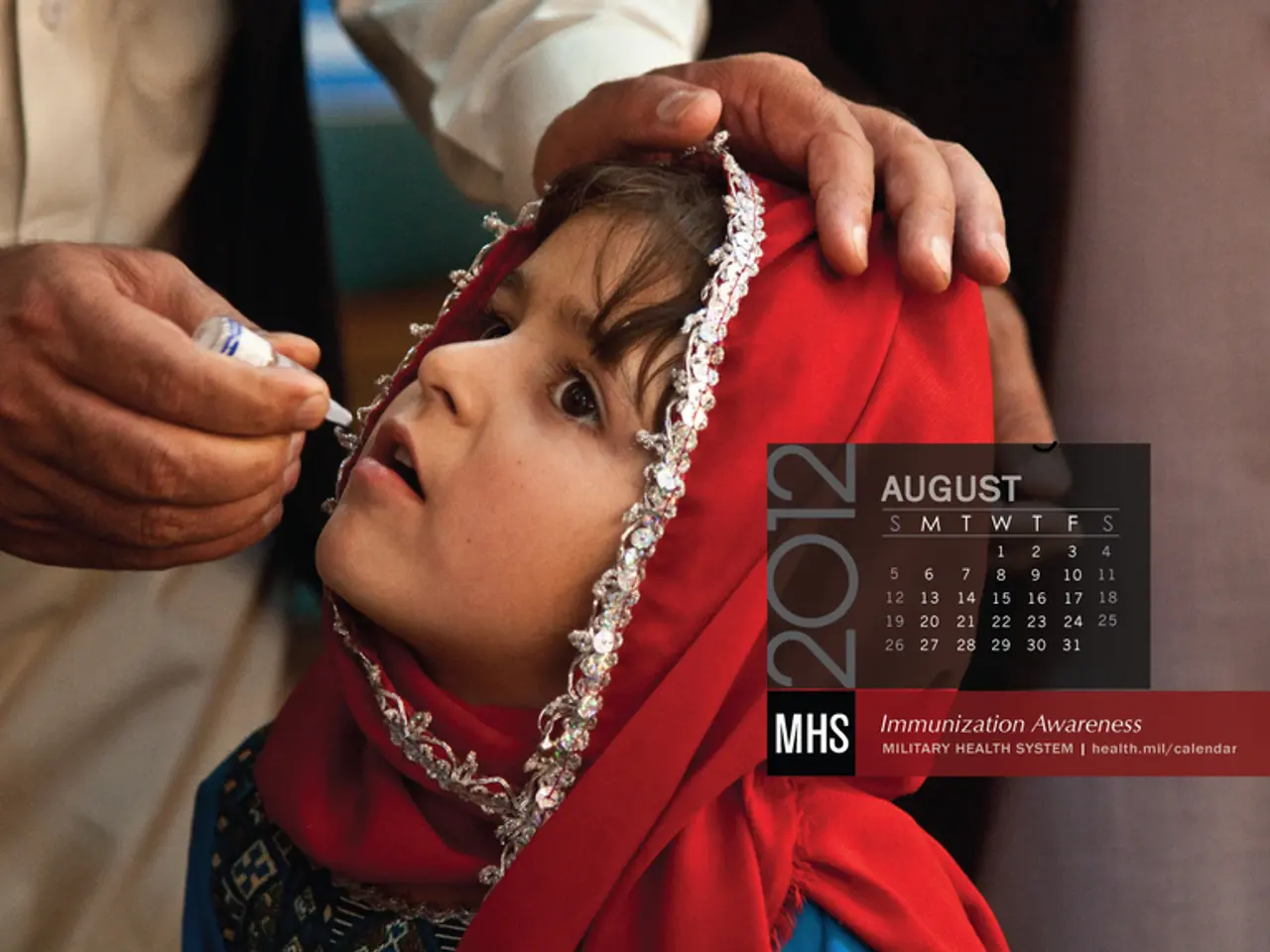
Workers in polio immunization campaigns in Pakistan and Afghanistan are often accompanied by armed guards due to threats from militants. The oral polio vaccine, while proven safe and effective, has been associated with extremely rare side effects, including paralysis in one child for every 2.7 million first doses given [2]. Despite these challenges, the ongoing fight against polio continues, with the hope that a polio-free world is within reach.
References: [1] Polio Eradication Initiative. (n.d.). Afghanistan and Pakistan. Retrieved from https://polioeradication.org/where-we-work/afghanistan-and-pakistan [2] World Health Organization. (2023). Polio. Retrieved from https://www.who.int/health-topics/polio [3] Reuters. (2023, February 20). Polio eradication faces setbacks in Pakistan, Afghanistan. Retrieved from https://www.reuters.com/article/us-health-polio-afghanistan-pakistan-idUSKBN2H62JN [4] Centers for Disease Control and Prevention. (n.d.). Pakistan. Retrieved from https://www.cdc.gov/polio/resource/country-profiles/pakistan.html
- Science has a crucial role in health and wellness, particularly in the field of medical conditions like chronic diseases, cancer, respiratory conditions, and digestive health.
- Sleep is essential for both mental and physical health, and it plays a significant role in workplace wellness.
- Eye health is often overlooked, but it's vital for overall health and fitness, and regular check-ups are recommended.
- Hearing loss can be a consequence of chronic diseases and aging, and it's important to seek therapies and treatments for better hearing.
- Sexual health is a key aspect of health and wellness, and it's important to practice safe sex and seek medical help if necessary.
- Autoimmune disorders, such as rheumatoid arthritis and lupus, require specific therapies and treatments.
- Climate change can exacerbate health issues, particularly in the elderly and those with chronic diseases.
- Mental health is essential, and it's important to seek help if experiencing depression, anxiety, or other mental health issues.
- Men's health is often overlooked, but it's important to prioritize prostate health, testicular cancer screenings, and mental health.
- Skin care is important for overall health and beauty, and it's crucial to protect the skin from damage and early aging.
- Nutrition plays a crucial role in health and wellness, and it's important to eat a balanced diet rich in fruits, vegetables, and lean proteins.
- Aging can lead to various health issues, including cardiovascular health problems, and it's important to take steps to prevent and manage these issues.
- Women's health encompasses issues specific to women, such as reproductive health, breast cancer, and menopause.
- Parenting can be stressful, and it's important to take care of mental health during this time and seek help if needed.
- Weight management is essential for health and wellness, and it's important to maintain a healthy weight through a balanced diet and exercise.
- Fitness and exercise are vital for maintaining good health and preventing chronic diseases, such as cardiovascular disease and diabetes.
- Environmental science plays a role in health and wellness, as environmental factors can impact health, especially for those with chronic diseases.
- Finance can impact health, as access to healthcare can depend on one's financial resources. Medicaid and other healthcare programs are important resources for many people.
- CBD, a compound derived from cannabis, is often used as a treatment for various medical conditions and chronic diseases.
- Neurological disorders, such as Alzheimer's disease and multiple sclerosis, require ongoing care and therapies for management.
- Industry plays a role in health, particularly in the production of medications, medical devices, and other health-related products.
- The healthcare industry is a critical part of the economy, and it's important to prioritize high-quality healthcare for all.
- Lifestyle factors, such as smoking, alcohol consumption, and stress, can impact one's health and wellness.
- Fashion and beauty are related to health, as certain products and practices can impact skin health and beauty.
- Food and drink are essential for health and wellness, and it's important to eat a balanced diet and avoid processed foods.
- Investing in stocks, bonds, and real estate can impact one's health, as financial stability can contribute to overall well-being.
- Wealth management is important for maintaining financial health and stability, and it can impact one's ability to access quality healthcare.
- Home and garden maintenance can impact health, as exposure to mold, pests, and other hazards can negatively impact one's health.