Planning for Epidemic Preparedness in Various Regions
The Russian Ministry of Health has issued a decree outlining preventive measures for influenza, acute respiratory viral infection (ARVI), and COVID-19 for the 2025-2026 epidemic season. However, a search did not yield specific details about the key measures and recommendations in this decree.
The general knowledge of public health decrees for respiratory infections suggests that the measures typically include several components.
Vaccination Targets
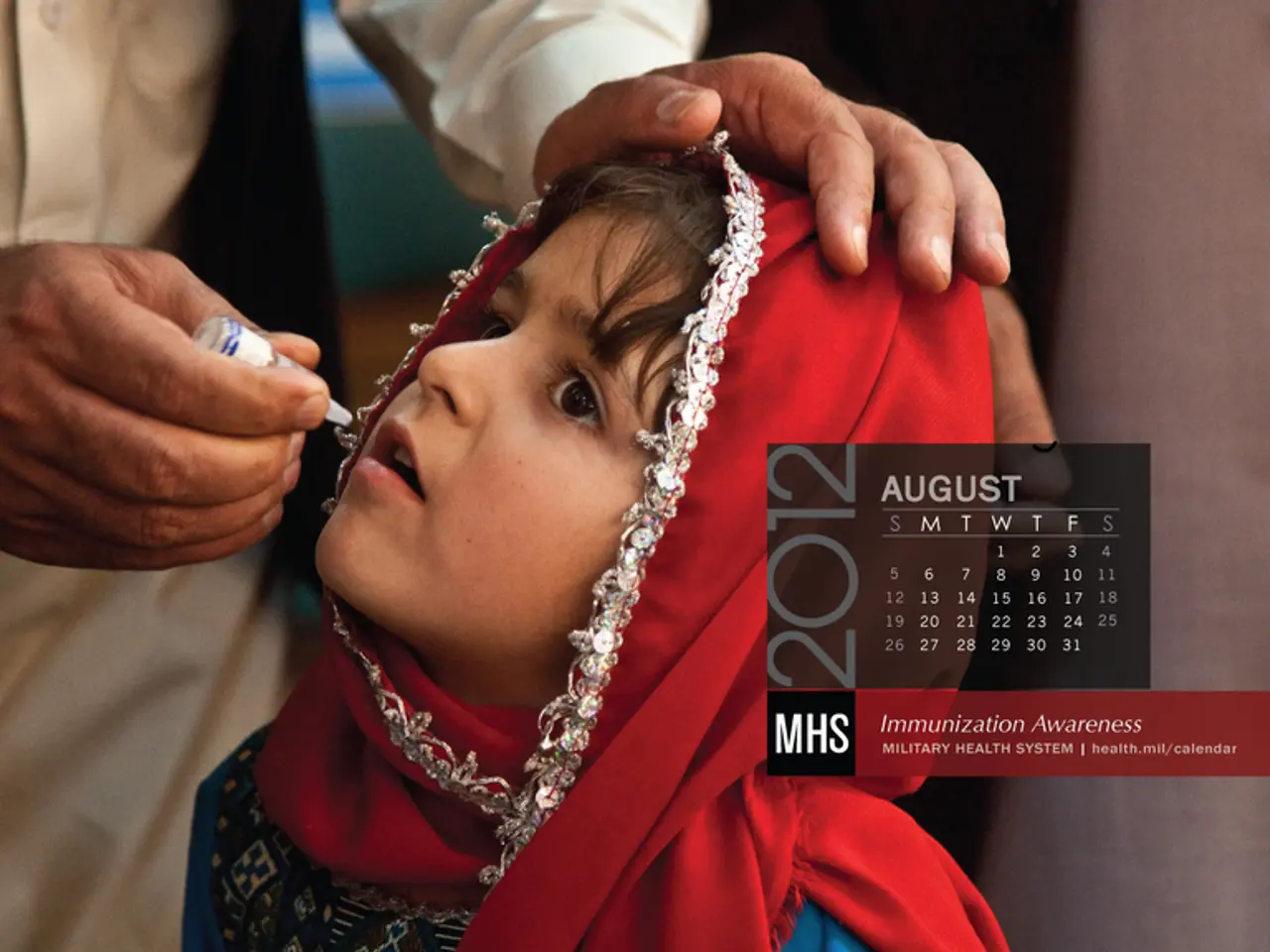
The decree aims to vaccinate up to 60% of the population, with at least 75% of those in risk groups being vaccinated. Risk groups include children from six months old, school and university students, healthcare and educational institution employees, social workers, pregnant women, people over 60, conscripts, those with chronic diseases, workers in organizations that deal with birds and pigs, and those in the animal husbandry sector. Organization leaders are advised to organize employee vaccination against influenza.
Information Campaigns
Starting August 15th, regional authorities are required to launch an information campaign about available preventive measures for influenza and the benefits of vaccination. The decree also recommends regular updates on medical knowledge regarding treatment and vaccination for these diseases. However, the decree does not provide details on the frequency or methods of these updates.
Case Recording and Monitoring
Starting September 30th, regional authorities must maintain a weekly record of all influenza cases and vaccinations. This strengthens epidemiological surveillance by mandatory reporting of cases of influenza, ARVI, and COVID-19 to health authorities to monitor outbreak dynamics and guide responses.
Workplace Guidelines
The decree includes recommendations for organization leaders, such as providing recommendations for employers to implement preventive measures like remote work options, symptom screening, ensuring ventilation, and encouraging employees to stay home when sick. It is also recommended to prevent employees working outdoors in winter from getting cold.
Other Recommendations
Local health ministry heads must provide medical care to the population both at home and in clinics and hospitals. Patients with clinical symptoms of influenza, ARVI, and coronavirus should be treated in outpatient conditions separately from other patients. The decree does not specify any penalties for non-compliance with the recommendations for organization leaders, nor does it provide details on the consequences for non-compliance with the separation of patients with clinical symptoms of influenza, ARVI, and coronavirus.
It is also recommended to improve the quality of diagnosis for influenza, ARVI, and coronavirus, although the decree does not provide specific details on how to achieve this.
For precise details from the official 2025-2026 Russian preventive decree, it is advised to consult the Russian Ministry of Health or governmental public health websites directly for the official document or summary.
- The science behind vaccines plays a crucial role in the decree, aiming to combat influenza, ARVI, and COVID-19.
- Key medical conditions that necessitate special attention in the decree include chronic diseases and autoimmune disorders.
- In the workplace-wellness sector, the decree encourages employers to foster a healthy environment for their employees.
- A decline in productivity due to illness can be mitigated by implementing remote work options and ensuring proper ventilation in the workplace.
- The decree prioritizes the well-being of healthcare and educational institution employees, grouping them among the at-risk populations.
- Mental-health issues can have severe consequences, particularly during times of health emergencies like the epidemic season, so the decree stresses the importance of regular updates on medical knowledge.
- The health and wellness of pregnant women and seniors is especially important, with the decree targeting 60% of the population for vaccination, prioritizing those in risk groups, including these two demographics.
- The issue of climate change can indirectly impact health through facilitating the spread of diseases, reinforcing the need for preventive measures.
- Fitness-and-exercise, an essential component of overall health, is not explicitly mentioned in the decree, but staying physically active can boost the immune system and help combat respiratory conditions.
- Failing to adhere to the recommended vaccinations can increase susceptibility to sexual-health issues due to weakened immune systems.
- Nutrition plays a significant role in promoting the strength of the immune system, and the decree does not explicitly mention the importance of proper diet during the epidemic season.
- The aging process can weaken the immune system, making older individuals more susceptible to influenza, ARVI, and coronavirus infections.
- The decree highlights the importance of women's-health, addressing specific concerns like pregnancy and childbirth during the epidemic season.
- The role of parents in maintaining a healthy home environment is emphasized in the decree, focusing on creating an environment free of hazards for children.
- Weight-management is crucial for overall health, as being overweight or obese can increase the risk of severe illness during a health emergency.
- Cardiovascular-health is an integral aspect of the overall well-being of an individual, but it remains unaddressed in the decree.
- The decree targets specific areas of the industry, particularly organizations that deal with birds and pigs, in preventing the spread of diseases.
- The Medicaid program, known as Medicare in Russia, may provide coverage for vaccinations and health care services mentioned in the decree.
- The cannabinoid compound CBD has been touted for its potential therapeutic benefits, but the decree does not address its role in managing symptoms related to respiratory conditions or chronic diseases.
- Environmental-science plays a role in understanding the factors that contribute to the spread of diseases, but the decree does not provide details on environmental factors that must be monitored.
- The financial implications of the decree are not explicitly mentioned, but the implementation of the recommendations may require financial resources from both public and private sectors.
- Skin-care, eye-health, hearing, digestive-health, and neurological-disorders can all be affected by various diseases addressed in the decree, but the decree does not provide specific guidance on these issues.
- Health-and-wellness information should be accessible to the public through various channels, such as social media and lifestyle blogs.
- This year's fashion trends can incorporate protective elements to promote health and wellness during the epidemic season.
- The enjoyment of good food-and-drink should not compromise health, and the decree does not address dietary restrictions or recommendations during the epidemic season.
- Investing in companies that prioritize workplace wellness and environmental sustainability can be a promising solution for long-term wealth management.
- The changes in home-and-garden practices can influence the health of those living within, but the decree does not address any specific home-and-garden recommendations.
- Businesses in the technology sector, including artificial-intelligence, cybersecurity, and data-and-cloud-computing, can contribute to enhancing public health surveillance and response to disease outbreaks.