Celebrating Vijayadashami as the Optimal Moment for Commencing Music Lessons
Vijayadashami, also known as Dussehra, is a significant day in Indian tradition, falling on October 9, 2024. This day holds immense cultural and spiritual significance, particularly for education and the arts[1]. The auspiciousness of Vijayadashami extends to learning arts such as music, as it symbolizes the triumph of good over evil, making it an auspicious time for beginning new ventures[1][2].
This day celebrates Lord Rama's victory over the demon Ravana, symbolizing righteousness, spiritual victory, and the beginning of new positive pursuits. Music, regarded traditionally as "food for the soul," thrives best when started on a day charged with spiritual energy and moral virtue[5].
Starting music classes on Vijayadashami invokes divine blessings for success on new endeavors, including artistic learning[1]. The cultural practice is deeply rooted in the notion that music thrives best when started on a day charged with spiritual energy and moral virtue. Regional celebrations throughout India during Vijayadashami also emphasize cultural refinement, reinforcing the day's status as a time for new beginnings and learning[1].
The tradition aligns with the Hindu custom of initiating disciplines or learning, called "Shishya Aarambh," on auspicious days that promise growth and well-being, strengthening community and individual ties to cultural heritage[1]. Many music students choose to start their lessons on Vijayadashami as a way to connect with a long-standing tradition.
The connection between the land and cultural prosperity drives many to start such endeavors during auspicious times like Vijayadashami. For generations, families have passed down the tradition of beginning educational or creative pursuits on Vijayadashami, including music lessons[1].
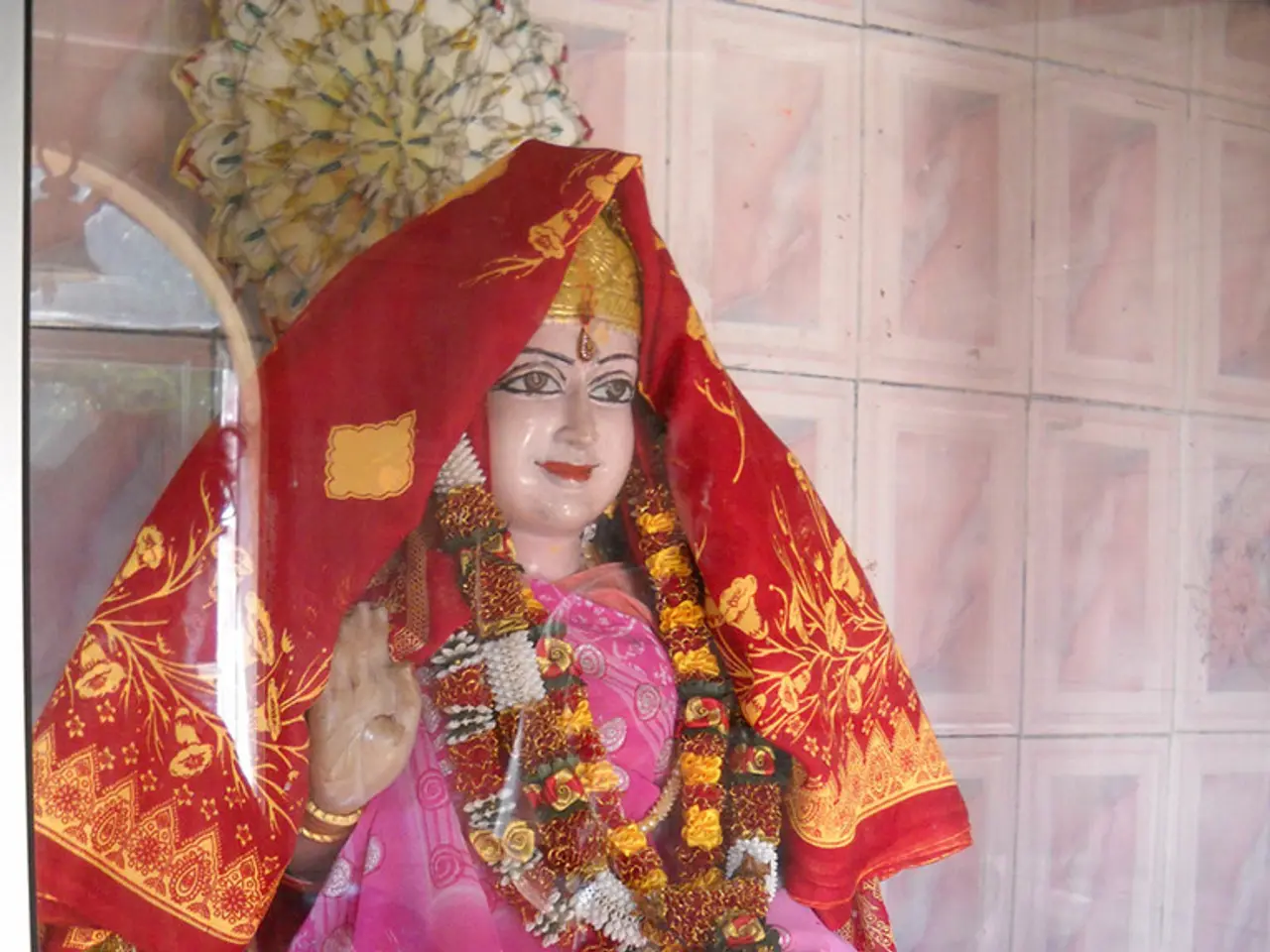
Saraswati Puja is a ritual where students place their books, instruments, and tools before the goddess Saraswati, seeking her blessings for wisdom and strength in their chosen fields[6]. Various regions in India perform Saraswati Puja on the 10th day of Navratri, which marks the end of Navratri and symbolizes the victory of good over evil[7].
Music teachers use Vijayadashami as an opportunity to instill values of humility, respect, and dedication in their students. The positive and uplifting environment of music classes that start on Vijayadashami helps foster dedication and discipline in students[4].
In summary, Vijayadashami is considered an auspicious day to start music classes because:
- It marks the victory of righteousness (good over evil), symbolizing a fresh and positive start[1][2].
- It invokes divine blessings for success on new endeavors, including artistic learning[1].
- Music holds a sacred place in Indian culture, seen as spiritually nourishing; starting on a powerful spiritual day aligns with these values[5].
- The tradition is part of broader cultural practices that reinforce auspicious beginnings in education and arts.
This makes Vijayadashami a culturally significant and favorable time to begin music classes in Indian tradition.
- Beyond music, Vijayadashami is also an opportune time for lifestyle transitions, such as exploring new hobbies in the fashion-and-beauty realm, or even rejuvenating home-and-garden spaces[8].
- In the realm of food-and-drink, Vijayadashami is celebrated with grand feasts, showcasing regional cuisines that highlight the bounty of Indian mango farmland[3].
- The auspiciousness of Vijayadashami extends beyond relationships and personal development, as it is also believed to be a favorable time for travel[1][4].
- For students pursuing education-and-self-development, Vijayadashami is considered an auspicious commencement for academic journeys, inspired by the emphasis on learning and wisdom[2].
- Lastly, Vijayadashami is a grand celebration, boosting liveliness in the entertainment sector, with traditional dance and music performances adding to the cultural charm[9].