Albania's Seaside Territories
The Albanian coastline, once shunned by the travel industry due to political isolation, is experiencing a surge in typical Mediterranean mass tourism. This transformation, while bolstering local economies, is accompanied by a host of environmental concerns.
The comments made in a recent panel discussion, held anonymously, highlight the need for immediate attention towards the Karavasta Lagoon wetlands and other ecologically sensitive areas. Butrint and other sites of great importance are under threat from overbuilding and excessive road development.
The increase in foreign visitors during the first half of 2025 compared to 2024, primarily from countries like Kosovo, Italy, Germany, and the UK, has driven this tourism boom. This growth supports local economies and has prompted government plans for expanded promotional campaigns and infrastructure upgrades, particularly around coastal and mountain areas.
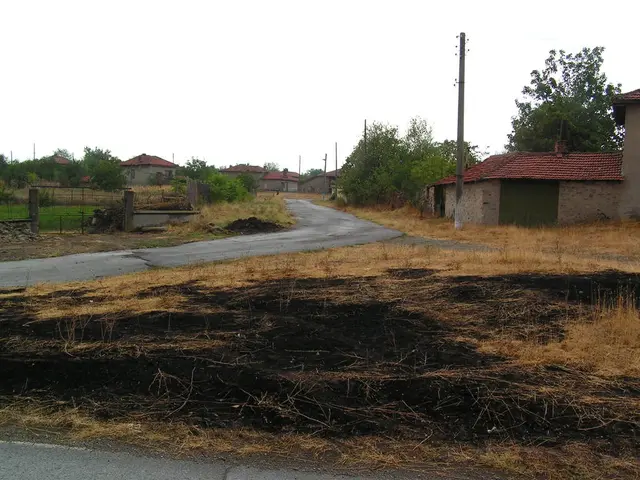
However, this growth comes with its own set of challenges. Wildfires have severely affected regions such as Lura National Park and Dukat near the coast, indicating ecological stress. Increased tourism has also led to a significant rise in fuel consumption, reflecting higher vehicle use that can contribute to pollution and habitat disruption along the coast.
There are broader environmental concerns linked to infrastructure pressure and pollution, with some voices, including the American Chamber of Commerce, warning that these factors may undermine the sector’s sustainability if not addressed.
In response, management efforts include environmental awareness initiatives such as the Porto Palermo Festival, which integrates cultural activities with strong environmental messaging and volunteer engagement, including divers working on coastal clean-ups. The Albanian government and tourism ministry are prioritizing infrastructure improvements to better handle visitor numbers while aiming to balance tourism growth with environmental protection.
However, ongoing issues like housing shortages and rising living costs linked to tourism expansion highlight the need for comprehensive management strategies that consider both ecological and socio-economic factors.
The northern and mid-coast regions of Albania are facing serious environmental issues due to untreated industrial waste and raw sewage being dumped into the ocean. Garbage and littering are issues in some areas of the Albanian coastline. Overdevelopment associated with typical Mediterranean mass tourism is creeping into coastal towns of Albania.
Ecological and archaeological sites along the Albanian coast are at risk due to potential wholesale diving, fishing, and cruise ship access. The southern region of Albania, comparatively less developed, is in a better environmental condition.
Despite these challenges, the Albanian coastline still holds hope for sustainable development and preservation. The panelists expressed concerns about the potential negative impacts of mass tourism on the Albanian coastline, but also emphasized the potential for responsible and sustainable growth.
References:
[1] Albanian Institute of Statistics. (2025). Tourism Statistics. Retrieved from https://statistics.gov.al/tourism-statistics
[2] Government of Albania. (2025). Tourism Development Strategy. Retrieved from https://tourism.gov.al/strategy
[3] American Chamber of Commerce in Albania. (2025). Sustainable Tourism: A Path to Growth. Retrieved from https://www.amcham.al/sustainable-tourism-path-growth
[4] World Wildlife Fund. (2025). Albania: Coastal and Marine Conservation. Retrieved from https://www.wwf.org/what/where/albania/coastal-and-marine-conservation
[5] United Nations Development Programme. (2025). Albania: Environmental Sustainability. Retrieved from https://www.undp.org/albania/content/albania-environmental-sustainability
- The ecological sensitivity of the Karavasta Lagoon wetlands and other areas is under threat due to excessive development, as discussed in a recent anonymous panel.
- The Albanian government is prioritizing infrastructure improvements to balance tourism growth with environmental protection, as stated in their tourism development strategy.
- The American Chamber of Commerce has warned that factors like pollution and habitat disruption may undermine the sector’s sustainability if not addressed, according to their report on sustainable tourism.
- The northern and mid-coast regions of Albania are facing serious environmental issues, including dumping of untreated industrial waste and raw sewage into the ocean, as outlined by the United Nations Development Programme's environmental sustainability report.